
General Contractors: Roles, Services & How to Choose the Right Partner
7 Min Read
Construction
General Contractors: Roles, Services & How to Choose the Right Partner
General contractors manage all aspects of construction projects, from the first budget conversation to the final punch-list walkthrough. This guide covers what they do, how they differ from other delivery models, what licensing looks like across jurisdictions, and how to pick the right partner for your next building project.
What Is a General Contractor?
A general contractor is hired by a property owner or developer to coordinate all construction services from pre-construction planning through closeout. Unlike a builder, who may physically construct a structure with limited coordination scope, or a construction manager, who typically advises the owner during the design phase, a general contractor takes contractual responsibility for delivering the finished project.
In practice, general contractors provide materials, labor, and equipment for projects. They handle project management, safety compliance, schedule coordination, and overall coordination of every trade on site. Consider a 2024 office fit-out: the architect completes drawings, the owner solicits bids, and the general contractor prices, sequences, and executes the work. Compare that to a school renovation under design build, where one entity handles both design and construction under a single contract.
Choosing a licensed and insured contractor early in the process controls cost, quality, and risk. Unlicensed work often lacks bonding or workers' compensation coverage, leaving the property owner exposed if something goes wrong.
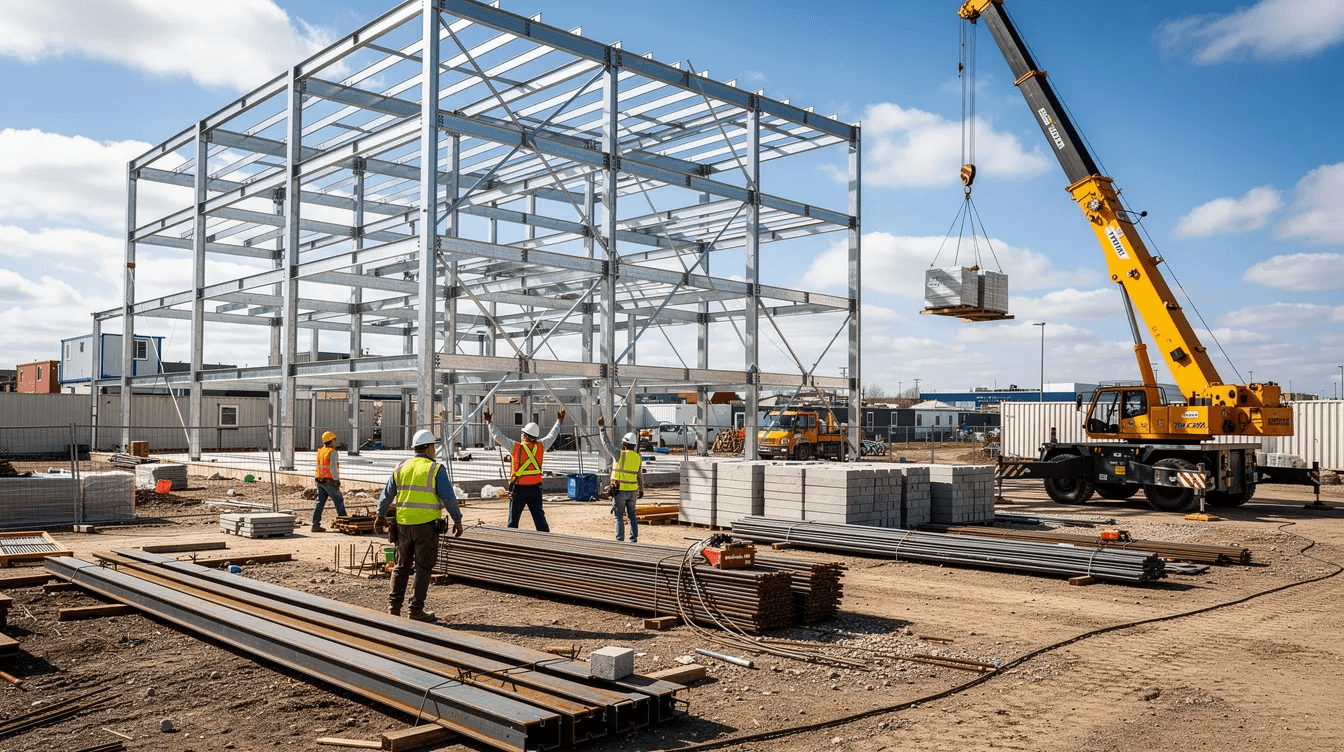
Global Usage of the Term "General Contractor"
The term shifts depending on where you build, though the underlying job stays the same.
In the United Kingdom and Commonwealth countries, "builder" has largely replaced "general contractor" in the residential and small commercial market since the early 20th century. Professional bodies such as the Federation of Master Builders in the UK refer to their members as builders. On large public or Private Finance Initiative projects in the UK and Australia, firms still describe themselves as main contractors or principal contractors.
In the United States, "general contractor" and "prime contractor" are the dominant legal and commercial terms. The spectrum runs from sole proprietors building custom homes to companies managing multi-billion-dollar infrastructure programs across every city in the country. General contractors provide services in commercial, industrial, and institutional sectors.
In Asian markets such as Singapore, Hong Kong, and Japan, "main contractor" or "general contractor" is standard for lead construction firms. Japan's major general contracting firms integrate engineering, procurement, and construction under one organization and deliver projects ranging from rail tunnels to high-rise towers.
Regardless of regional terminology, the core function remains overall responsibility for delivering the construction project on time, on budget, and to specification.
Core Responsibilities of a General Contractor
The general contractor's day-to-day work is managing the complexity of people, materials, timing, and compliance. Here is what that looks like in practice:
Overall coordination and scheduling. Project scheduling is essential for ensuring all construction phases happen in the correct sequence. Framing must precede HVAC rough-in; inspections must be booked before finishes begin. The contractor sequences trades so crews do not conflict.
Subcontractor management. General contractors often hire subcontractors for specialized tasks: electricians, plumbers, roofers, drywall crews. They ensure quality standards are met by each subcontractor and verify that every trade carries proper insurance and licensing.
Project management. The contractor maintains timelines, tracks milestones, and coordinates inspections with local authorities. General contractors coordinate project planning and execution across every phase.
Cost control. Preparing detailed estimates, tracking labor and material costs against the budget, and managing change orders are ongoing duties. Change orders must be documented and approved during a construction project to prevent scope creep.
Quality control. All work must meet the drawings, specifications, and building codes. The contractor arranges third-party testing (concrete strength, fire ratings, soil compaction) where required, ensuring quality workmanship throughout.
Health and safety. Site safety plans, toolbox talks, PPE requirements, and incident reporting follow local regulations such as OSHA in the US or HSE in the UK.
Site logistics. Waste management, temporary utilities, site security, and protection of neighboring properties all fall under the contractor's scope.
General Contracting vs. Construction Management vs. Design Build
Owners commonly compare three delivery methods before starting construction. Each shifts responsibility, risk, schedule, and cost in different ways.
Traditional general contracting. The owner separately hires an architect or engineer to produce design documents, then solicits bids from general contractors. The contractor provides a fixed price or guaranteed maximum price based on a complete design. This method gives the owner clarity on cost but typically runs a slower timeline.
Construction management. The owner hires a construction manager early, often during the design phase. A CM as agent advises on cost and constructability; a CM at risk commits to a maximum price and performs a role similar to a general contractor but with earlier involvement and more transparent cost breakdowns. Construction management services oversee project execution from start to finish. Public university projects commonly use this model.
Design build. A single contract where one firm handles both design and construction services, simplifying communication. Design-build services integrate design and construction phases for efficiency. According to DBIA's 2025 data sourcebook, design build is projected to account for $2.6 trillion of US construction spending between 2024 and 2028. Projects delivered this way averaged 102% faster schedules and 3.8% lower cost growth compared to traditional methods.
Where each fits: design build for a 2025 fast-track industrial facility; construction management for a public institution needing cost transparency; traditional general contracting for a straightforward office renovation where designs are already complete. Many modern general contracting firms now offer all three options, plus construction solutions tailored to specific sectors like retail, healthcare, or government work.

Licensing Requirements and Qualifications
Legal requirements for general contractors differ by jurisdiction. In the United States, licensing is handled at the state and sometimes municipal level; there is no federal general contractor license. Licensing requirements vary by locale across the country.
Most US states require general contractors to obtain a local license. California, for example, requires a license for any project costing $500 or more in labor and materials, issued by the Contractors State License Board (CSLB). Applicants must pass trade and law exams, submit fingerprints for background checks, and demonstrate at least four years of journey-level or supervisory experience within the past ten years. A surety bond is required in states that mandate licensing; in California, that baseline bond is $25,000.
Not all states require general contractor licenses, including Vermont and Maine, particularly for small residential work. Commercial construction almost always demands formal credentials regardless of state.
Typical educational backgrounds include degrees in construction management, civil engineering, or building science. Practical experience matters: apprenticeships, site supervision roles, or assistant project management positions before qualifying. Many jurisdictions ask for references, a record of completed projects, and financial statements before issuing or renewing a license.
How General Contractors Deliver Construction Services
A construction project moves through distinct phases, and the general contractor's role shifts at each stage.
Pre-construction. Pre-construction planning involves consulting during the design phase and budgeting. The contractor works with the architect and design team to review constructability, identify risks, and establish preliminary schedules. Experienced teams flag issues like long-lead procurement items or code conflicts before ground is broken.
Planning. The contractor builds a detailed project management plan: procurement schedules, subcontractor tendering, risk registers, and a site logistics plan covering material storage, traffic control, and temporary utilities.
Construction. Crews mobilize, site offices go up, and safety signage goes in. Daily work involves coordinating trades, resolving design conflicts through RFIs, and adjusting schedules when weather or supply chain delays hit. Communication with the owner happens through weekly progress meetings, written reports, updated schedules, and formal change order documentation. Contracts should outline payment schedules and project completion criteria to protect homeowners and owners alike.
Closeout and handover. The contractor compiles as-built drawings, operation and maintenance manuals, and warranty documents. Building staff receive training on new systems. Homeowners should conduct a final walkthrough to identify any incomplete work before making final payments. A professional contractor will also support warranty service after occupancy, addressing punch-list items within agreed timeframes.
Examples of General Contracting and Design Build Projects
Concrete examples show how these delivery methods work in practice.
A 2023-2024 commercial office fit-out: a general contracting company converts 20,000 sq ft of shell space into a tech company headquarters. Demolition, MEP installation, finishes, and furniture go in over 24 weeks. The construction team manages just-in-time material deliveries and coordinates night work to avoid disrupting occupied floors above. GTA General Contractors has completed over 500 commercial projects since 1991, illustrating the scale of work that established firms handle.
An industrial expansion in 2025: a manufacturing plant adds a 30,000 sq ft production hall while remaining operational. Phased construction, scheduled shutdown windows, and close coordination with plant safety staff keep the business running throughout. This kind of project demands expertise in sequencing and a contractor who specializes in industrial work.
A design build example: a restaurant group hires a single contractor for a new flagship location. The design team and field crews share one contract, handling kitchen layout, interior design, engineering, and construction. Fewer RFIs and change orders result because design decisions account for construction constraints from the start, creating a more seamless experience.
Many established contractors maintain a portfolio page showing their latest projects with photos, dates, and scopes. Reviewing these helps owners evaluate a contractor's experience with similar building types and budgets.
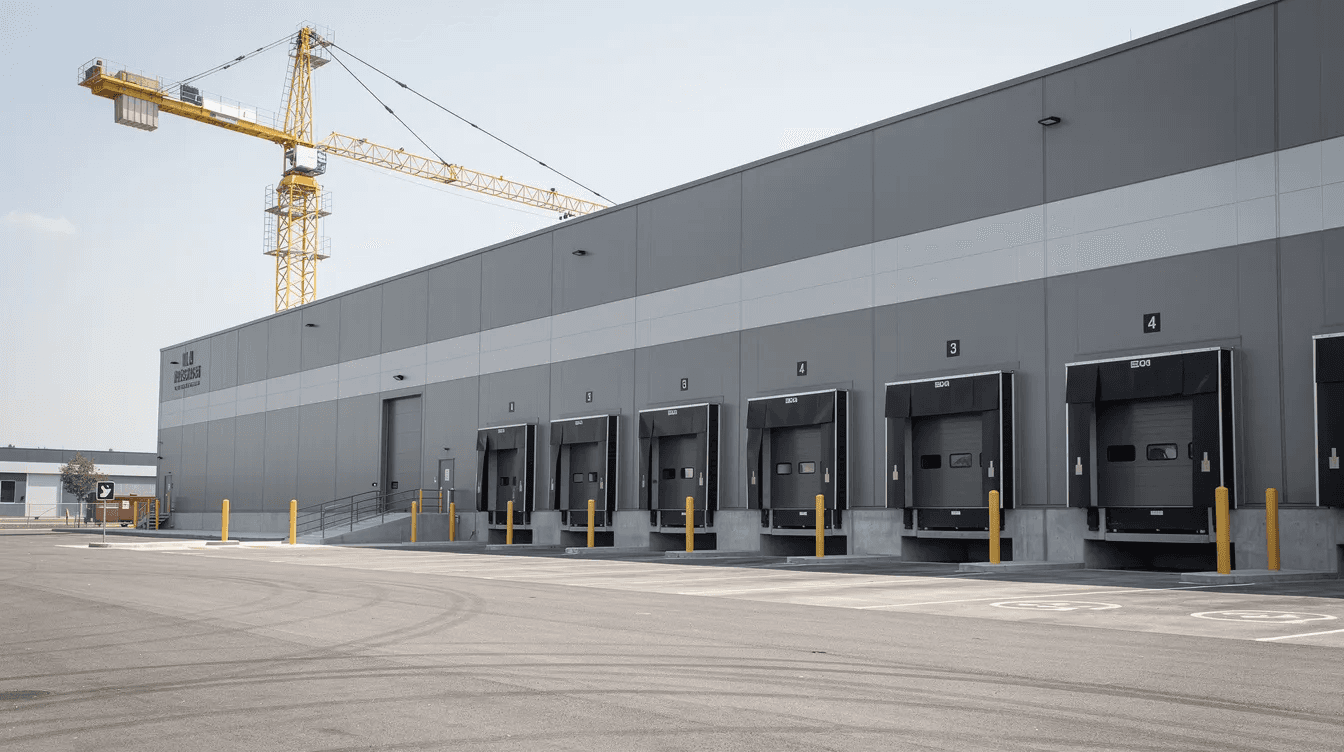
How to Choose the Right General Contractor
Defining the project scope, goals, budget, and timeline is critical before contacting contractors. Once that concept is clear, apply these criteria:
Verify credentials. Confirm licensing, insurance, and bonding capacity in your specific state or municipality. It is important to verify a contractor's credentials, including licensing and insurance, before any work begins.
Review track record. Look at years in business, project complexity, and services similar to your needs. A company proud of its results will share detail openly.
Check references. It is advisable to check references and past work of contractors before hiring them. Ask for contacts from projects completed in the last two to three years, ideally in your sector (healthcare, retail, industrial).
Get multiple bids. At least three written estimates should be obtained to compare costs and value. Contractors should provide detailed, itemized bids so there are no hidden fees.
Evaluate project management practices. Ask about scheduling tools, cost reporting frequency, and how change orders are handled. Transparent management practices deliver service excellence.
Ask about delivery methods. Does the contractor offer traditional general contracting, construction management, or design build? Understanding why they recommend one method for your project reveals their depth of support.
Review safety records. Request lost-time incident rates and formal safety program documentation, especially for institutional and industrial work.
Assess communication and values. Gathering recommendations and pre-screening candidates is vital. Strong communication, a collaborative attitude, and alignment with your vision matter as much as price when building long term partnerships.
Future Trends in General Contracting and Construction Management
The construction industry is shifting under pressure from labor shortages, sustainability mandates, and new technology.
Digital tools are expanding. According to Deloitte's 2025 engineering and construction outlook, general contractors are adopting BIM, digital twins, and cloud-based platforms to improve coordination and reduce rework. Real-time field reporting lets the project team catch problems before they compound.
Prefabrication and modular construction are gaining market share. The US permanent modular market reached $20.5 billion in 2025, about 5.1% of activity in key construction segments, with a projected 6.5% annual growth rate through 2030. A NIST survey of over 800 AEC professionals found that 66% reported prefabrication improved schedules, 65% said it reduced costs, and 77% said it reduced site waste.
Sustainability pressures are rising. Owners and designers increasingly demand low-carbon materials, energy-efficient systems, and certifications like LEED. General contractors who can deliver lifecycle cost analysis and advise on embodied carbon during the design phase will create more value for clients building a new home, a new kitchen renovation, or a large commercial space.
By 2026 and beyond, owners expect general contracting services to include early-stage advisory and long-term asset performance monitoring. Choosing a forward-looking contractor positions any project to benefit from these practices while maintaining the highest standards of schedule and budget discipline, whether the job is a single-building renovation or a multi-phase campus expansion.
