
Fastfood Restaurant Fit-Out Guide
5 Min Read
Construction
A comprehensive fit-out guide for fast food/QSR restaurant construction, covering everything from site selection and franchise brand standards to MEP, permits, cost estimating, and operations handover — with VOK positioned as the construction partner.
Fastfood Restaurant Fit-Out Guide
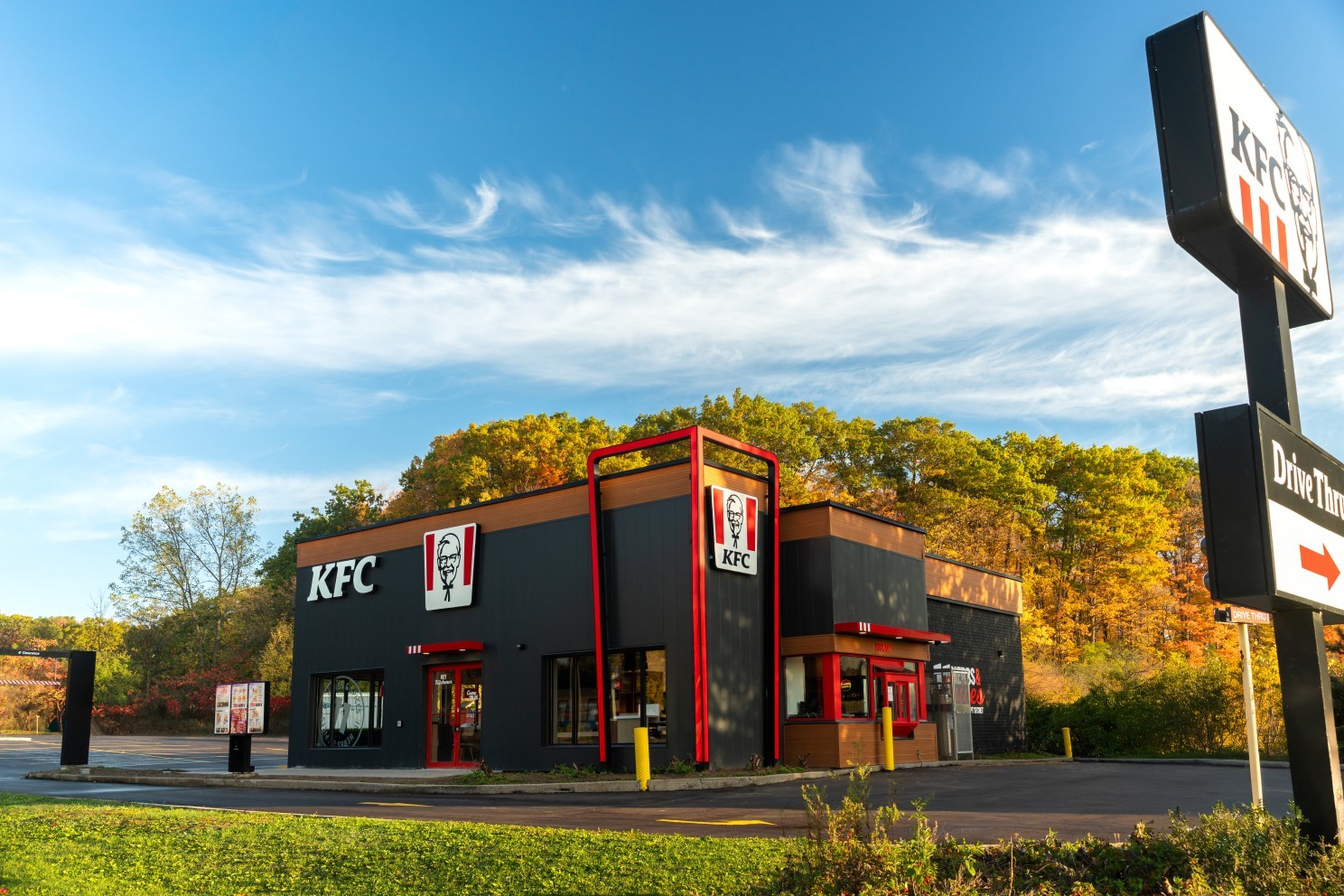
Site Selection and Housing Policy
check zoning for commercial restaurant use, and understand local laws and the specific type of commercial approval or occupancy classification before you decide to commit to the site
assess proximity to residential areas, since rules can vary by city or town and are generally related to nearby impacts, and make sure the site is clearly located for an accessible customer approach
review local housing policy restrictions on hours
verify parking and curbside pickup allowances, and check whether a drive-thru is permitted and practical, since fast food offers quick meals designed for busy lifestyles and many fast food restaurants typically need a drive-thru for convenience, including where customers will find and visit the site if the home neighborhood context affects access or hours
Business Case and Franchise Build Standards
compile projected opening costs with early forecasting tied to overall project budgets and cost transparency
estimate operating cost forecasts, noting that energy costs can affect long-term financial assumptions
calculate payback period
estimate return on investment, noting that fast food is often more affordable than traditional restaurants and has transformed into one of the global dining staples, so returns depend on matching the menu model, throughput, and costs to location volume
align design with franchisor brand standards, as fast food is known for consistency and standardization of products, a model shaped during the standardization era from the 1950s to the 1970s and later expanded across the world into smaller-format venues in the 1990s and 2000s, influencing format and build-standard decisions
define core menu, equipment, and layout needs, noting that menu diversification accelerated from 1986 to 2016 and now often includes customization, digital integration, and healthier options
document variance approval requirements after establishing a clear understanding of business objectives
Design, Space Planning, and Layout — QSR Efficiency
optimize kitchen workflow for service speed
design back-of-house and office space for equipment access and admin support
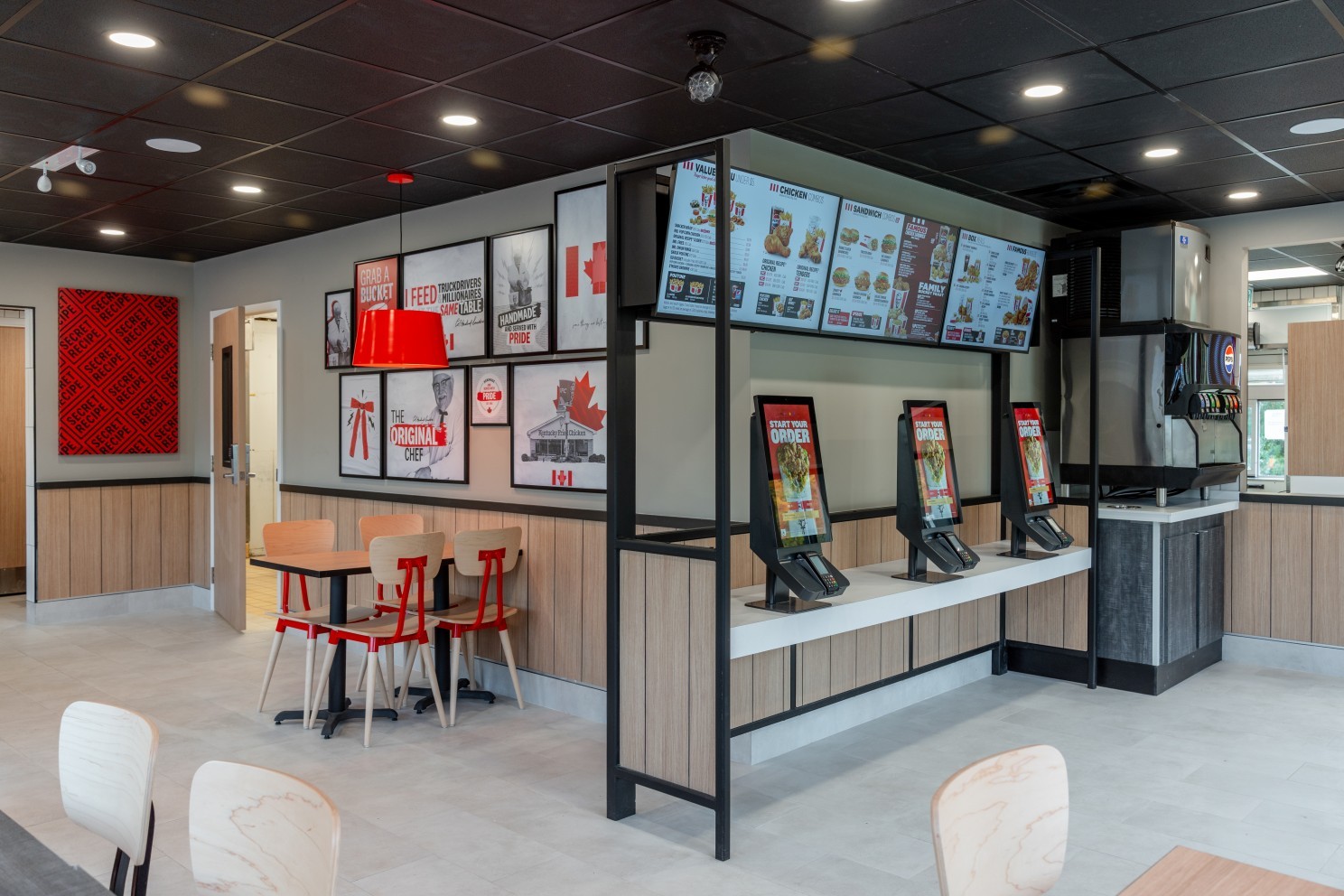
plan guest flow with space planning to reduce congestion
select durable finishes through interior design decisions that balance function with brand-led presentation
specify finish maintenance intervals
The layout should also support operational needs alongside day-to-day service flow.
MEP, Fire Safety, and Health Requirements
specify grease trap requirements per code
design exhaust systems to meet capture rates
size HVAC for required ventilation rates and energy efficiency, with required services and equipment clearances that support good sanitation and inspection outcomes
address fire-suppression requirements per code, and ensure fast food restaurant fit-outs comply with health regulations, as well as MEP and fire code requirements, where specialist equipment also affects ventilation, service access, or clearances
Fit Out Process and Project Management
prepare phased construction schedule with milestones, noting that simpler scopes may be completed in a few weeks while more complex fit-out projects take longer depending on complexity
assign a dedicated VOK project manager backed by the wider project team
implement quality-control inspections at milestones to support consistent project delivery
track change orders with client approval, for example, scope or finish updates
set up weekly progress reporting, with design coordination and cost planning to manage timelines and budgets effectively
Build-To-Brand Compliance and QA
create brand-standards checklist
conduct pre-final inspections against checklist
deliver photographic record of compliance
Sustainability, LEED, and Long-Term Performance
identify LEED credits to pursue
specify energy-efficient kitchen equipment
design for long-term durability
prioritize low-maintenance systems
Operations Handover and Facilities Management
compile O&M manuals for all systems
train staff on equipment maintenance procedures
set up preventative maintenance schedule
Risk Management, Permits, and Regulatory Compliance
obtain building permits before construction starts, with any required approvals or property documents from the owner and landlord, including landlord approvals where the lease or property arrangement requires them
secure health and food permits pre-opening
conduct site risk assessment
document mitigation measures, and use careful planning to flag assumptions that are banned by code or lease so they can be removed early from scope planning and avoid compliance issues before works begin
verify ADA accessibility compliance
confirm required project insurance coverage, including individual responsibilities under a sub-lease or similar occupancy arrangement
Cost Planning, Value Engineering, and Business Optimization
produce detailed GMP estimate, with fit-out budgeting covering total project cost, professional fees, and soft costs alongside construction and design costs
identify value-engineering items to reduce cost, prioritizing an individual item or group based on business case impact
compare alternate material cost scenarios, noting that labour costs and material prices vary depending on market conditions
recommend phased scope to manage cashflow by comparing options, clarifying fit out cost, and helping you decide which items to add in addition to the core scope
Community Impact and Housing Policy Mitigation
engage local stakeholders early in planning, including early discussion with people in the surrounding community, any tenants or neighboring businesses, and, in Canada, local municipal rules, to surface local questions early
propose noise-mitigation design measures
document traffic and parking mitigation plan, including a general community-impact review before finalizing mitigation measures and noting how customer walk patterns and site access can affect nearby streets
Calls to Action
invite clients to start planning their restaurant fit-out project by visiting our business site for more information
schedule a site assessment to find our contact details and the content needed to start the next step
provide a preliminary estimate for your fastfood restaurant location to help define fit out cost expectations
