
Fastfood Restaurant Fit-Out Guide
5 Min Read
Construction
Before You Build: 10 Things Every Landlord, Retail Brand, Restaurant Owner, and Consultant Should Know Before Starting a Commercial Construction Project in Ontario
Before You Build: 10 Things Every Landlord, Retail Brand, Restaurant Owner, and Consultant Should Know About Residential Tenancies Before Starting a Commercial Construction Project in Ontario
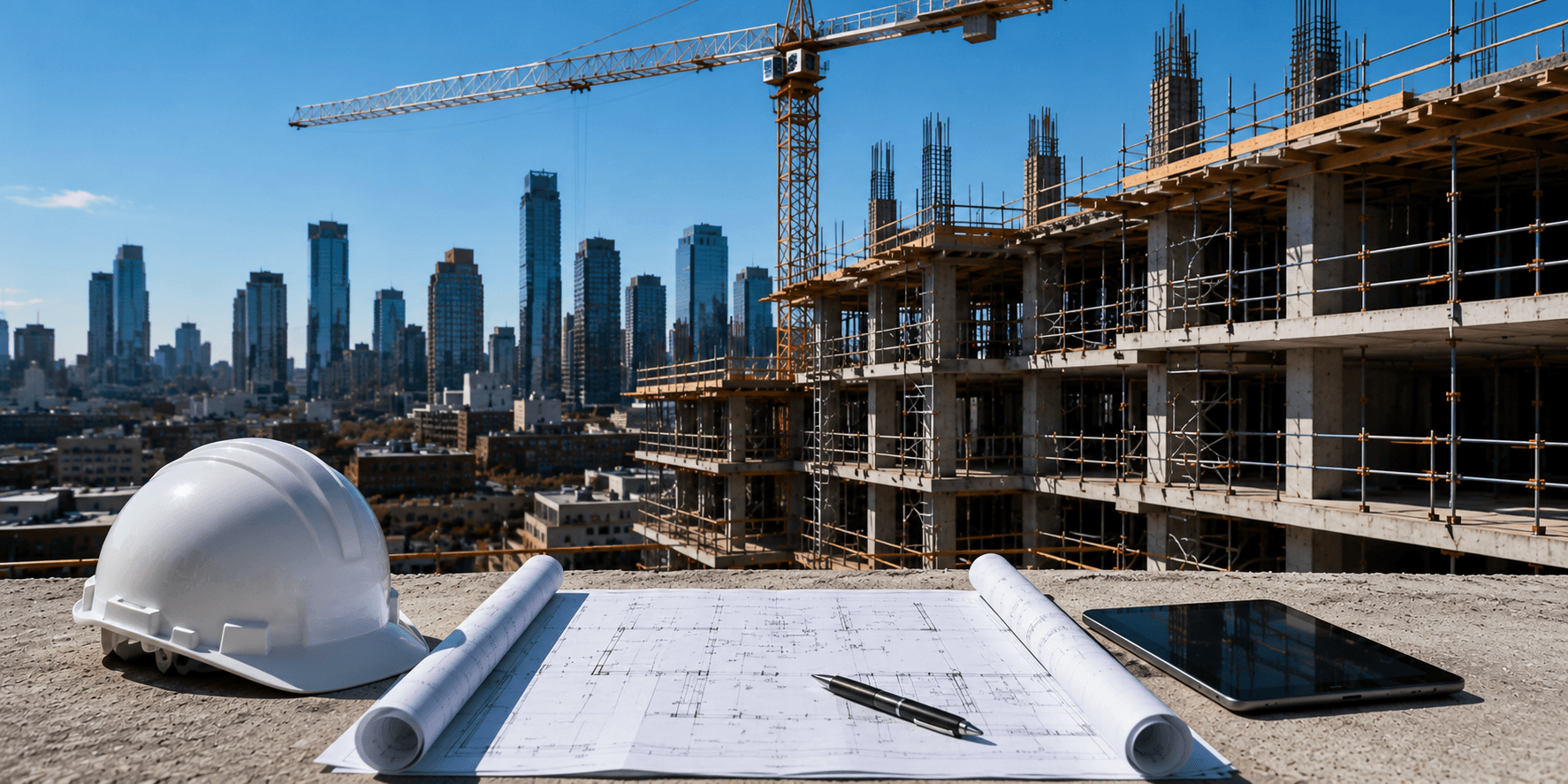
Commercial construction projects rarely fail because of poor workmanship alone.
More often, they struggle because of decisions made before construction even begins.
For landlords, retail brand owners, restaurant owners, shopping centre property managers, and consultants planning retail spaces in Ontario, those early decisions shape how a commercial fit-out performs specifically in cost, schedule, approvals, customer access, and long-term profitability. Whether you are a landlord preparing a retail unit, a shopping centre property manager planning tenant improvements, a restaurant brand expanding into a new location, or a consultant coordinating multiple stakeholders, selecting the right retail space affects customer access and long-term profitability before construction even starts.
In Ontario, commercial construction involves much more than hiring a contractor. Every project requires coordination between landlords, tenants, architects, consultants, engineers, municipalities, inspectors, suppliers, and construction teams. Site selection should balance customer convenience, visibility, and occupancy costs. This article looks at project scope, approvals, contractor selection, cost-saving through planning, communication, scheduling, safety, compliance, and the details that determine whether a retail or restaurant build-out runs smoothly. The location should match your target customer demographics and support future growth in demand. When everyone is aligned from the beginning, projects move with greater confidence and fewer surprises.
Here are ten things every commercial property owner and project team should consider before construction starts.
1. Define the Project Scope Clearly
A successful commercial construction project begins with a clear scope of work.
Before requesting quotations, define exactly what the project includes, what is excluded, and what success looks like.
Changes made after construction starts are one of the leading causes of delays and additional costs.
A detailed scope creates better pricing, more accurate schedules, and fewer misunderstandings.
2. Understand the Approval Process
Commercial construction projects in Ontario often require permits, landlord approvals, consultant reviews, and municipal inspections, and local zoning rules under applicable law can also apply to operations and signage.
In retail spaces for lease, work may also depend on building owner permission before plans can proceed.
Retail stores, restaurants, medical clinics, and office renovations may all have different approval requirements depending on the municipality and the existing building.
Understanding these requirements early helps reduce unnecessary delays.
3. Choose Experience That Matches Your Project
Not every commercial contractor specializes in the same type of work. Retail spaces come in different physical types based on customer needs, including freestanding sites, shopping centers, and mixed-use developments.
A contractor experienced in shopping centres may approach a project differently than one focused on industrial facilities. Stand-alone buildings can offer stronger visibility and more customization for tenants. Planned retail environments such as enclosed malls can bring massive foot traffic and shared marketing, while outdoor shopping centers often offer excellent visibility and lower rental rates.
Likewise, quick service restaurants have unique operational requirements that differ from office renovations or retail stores.
Choose a construction partner with experience relevant to your industry and project type.
4. Planning Saves More Money Than Cutting Costs
Many owners focus on reducing construction costs.
The better strategy is reducing construction risk.
Comprehensive planning helps identify challenges before they become expensive change orders.
Investing more time in planning often results in lower overall project costs.
5. Communication Should Be Structured
Commercial construction involves many people making decisions at different stages, so each individual decision-maker should have clear responsibilities.
Without structured communication, important information can be missed.
Ask how project updates will be shared.
Will there be regular meetings?
Who approves changes?
Who will decide the main person of contact for consultants, landlords, and the construction team?
Clear communication keeps projects moving forward, supports better advice, and makes it easier to find answers quickly when issues occur.
6. Construction Schedules and Security Deposits Need to Reflect Reality
Every business wants to open as quickly as possible.
However, realistic scheduling is more valuable than optimistic scheduling.
Material lead times, permit approvals, inspections, specialty equipment, and coordination between trades all affect project timelines.
An achievable schedule builds confidence and reduces unnecessary pressure throughout construction.
7. Details Influence the Final Result
The difference between a good commercial space and an exceptional one often comes down to attention to detail.
Accurate layouts, consistent finishes, clean installations, coordinated trades, and thoughtful quality control all contribute to a better finished project.
These details are rarely noticed individually.
Together, they define the client's experience.
8. Safety and Compliance Are Business Priorities
Commercial construction projects must comply with the Ontario Building Code, local municipal requirements, and workplace safety regulations.
Safety protects workers, clients, visitors, and the long term success of the project.
Choosing a contractor with a strong safety culture helps reduce risk while supporting efficient project delivery.
9. Think Beyond Project Completion
The relationship should not end when construction is complete.
Future renovations, maintenance, warranty support, and expansion projects are easier when you work with a contractor who understands your property and your business objectives.
Long term partnerships often create better long term value.
10. Choose a Partner Who Thinks Like an Owner
The best commercial construction partners do more than build.
They ask questions. An owner-minded partner should assess vehicle and pedestrian traffic when reviewing a retail location.
They identify risks. Easy access, adequate parking, and proximity to competitors all affect customer convenience, store performance, and where the action is.
They look for practical solutions. Nearby complementary businesses or captive residential audiences can strengthen traffic depending on the concept.
They protect schedules.
They help clients make informed decisions throughout the project. Temporary or unplanned retail formats can also be practical ways to test demand in the right market with lower overhead.
That mindset creates confidence from planning through project completion.
Final Thoughts
Commercial construction is ultimately about reducing uncertainty.
Whether you are preparing a retail fit out, renovating a shopping centre unit, building a new restaurant, or upgrading commercial property, success depends on planning, communication, coordination, and disciplined execution. A clear scope should also state what is included so expectations stay aligned from day one.
At VOK Construction Group, we believe construction is more than delivering a finished space. It is about building confidence throughout the entire process. That means practical consultancy, disciplined sub trades, and a reliable in house team that can book decisions early instead of letting delays compound.
Every project deserves careful planning. That same discipline helps clients avoid a long list of preventable issues, from permit gaps to procurement misses, not matters like alberta residential tenancies, tenancy rules, rent disputes, rights, security deposits, or evictions.
Every detail deserves attention. The same applies to documentation, where each page should support clear approvals and accountability.
Every client deserves a construction partner who values execution as much as the finished result.
Because the most successful commercial construction projects are not remembered for being the fastest or the biggest.
They are remembered for being delivered the right way.
