
When Is a Building Permit Required in Ontario: A Guide for Business Owners
7 Min Read
Construction
Before starting a commercial construction project, it's important to understand when building permits are required and why they matter. Learn how permits help protect your project, what can happen if construction starts without the proper approvals, and how careful planning can help avoid costly delays.
Building Without a Permit in Ontario: Ontario Building Code Considerations Every Business Owner Should Know
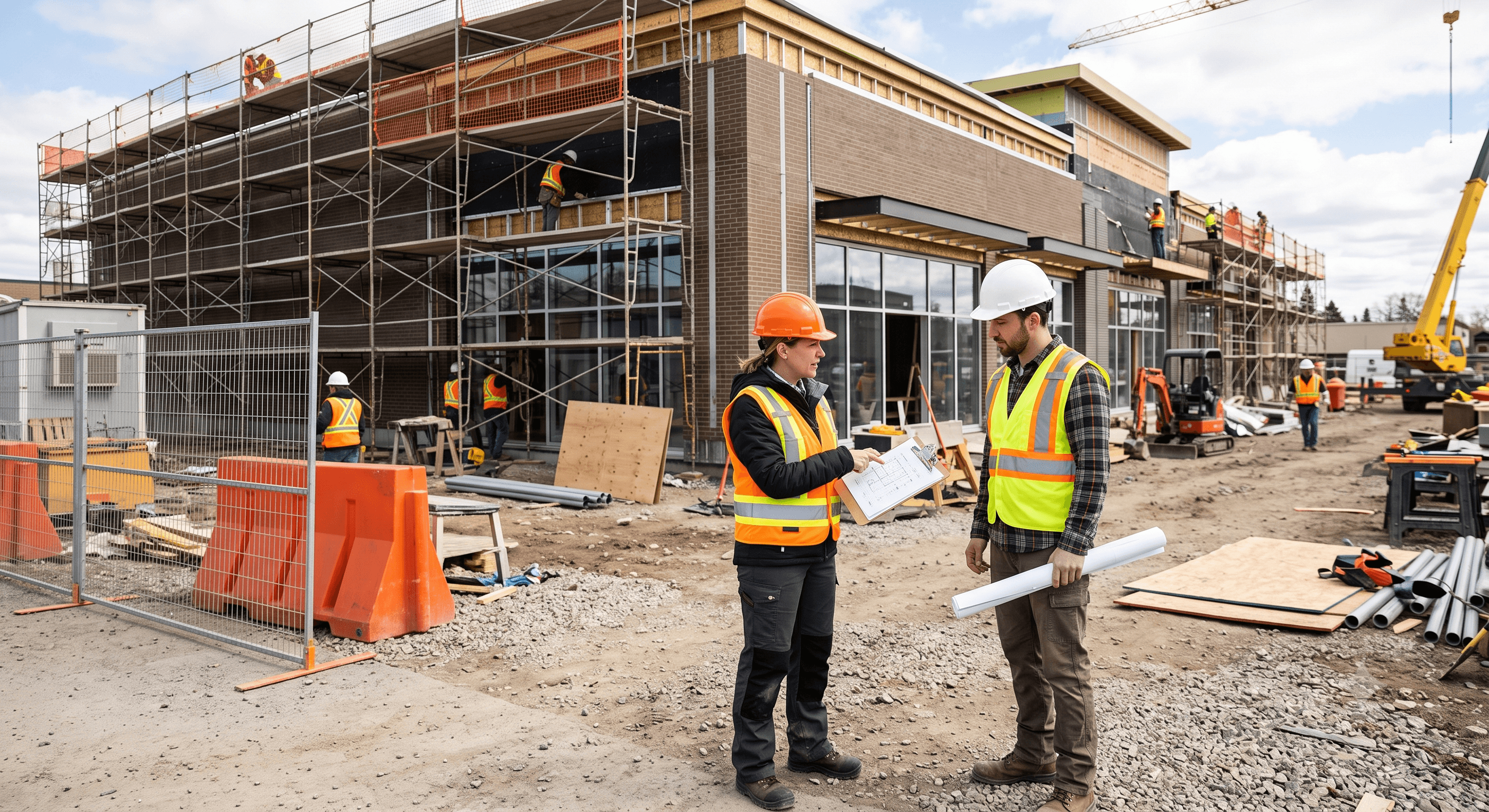
Imagine signing a lease for a new restaurant or retail space, finalizing the design, and feeling ready to build, only to learn that one permit issue can stall the entire project. In a restaurant, that early planning covers both front- and back-of-house areas, and an efficient kitchen layout should support safe operations, the right equipment selection, and minimal wasted space. These requirements can shape the broader building permit process before construction even begins.
Permits are an important part of the commercial construction process. They do more than authorize the work. They can also influence design decisions tied to energy-efficient systems, sustainable materials, and waste reduction strategies in fit-out work, especially when the project has a strong focus on long-term performance.
Without proper permits, projects can be delayed, stopped, or even fined. That risk grows when teams move ahead without a deep understanding of local approvals, building code requirements, local zoning bylaws, or other applicable laws. In Ontario, municipal building departments review applications and issue permits, but rules can still vary depending on the municipality and the scope of work. What applies in one city may not apply in another. That's why commercial projects need careful planning from the start.
Do All Commercial Projects, Including Office Space Construction, Require a Permit?
Not always, but many commercial projects require a building permit.
Permit requirements depend on the type of work being done. Some interior updates may not need approval, but new construction and major work to an existing building typically do. Others, especially those involving structural, electrical, plumbing, or mechanical changes, usually do. In commercial fit-outs, the scope may also include kitchen systems and other operational elements that affect project scope, budget, and timeline.
Examples of work that often requires a permit include:
adding or removing walls
changing plumbing lines
installing rooftop units
altering fire protection systems
changing the use of a unit
installing new windows where openings are added or enlarged
These are common projects, but requirements can vary by municipality, so confirm with the local building department whether a permit required before moving forward.
Who Is Responsible for Obtaining the Permit?
Responsibility varies from project to project. In many cases, the general contractor or construction management team handles coordination, including preparing or coordinating building permit applications, by managing all trades and site operations while providing strategic guidance from concept to completion.
In some cases, the owner applies directly. In others, the architect, designer, or contractor takes care of the submission, and the application form should clearly identify who is submitting on the owner’s behalf. What matters most is that responsibility is clearly defined before work begins.
Clear communication between the owner and project team helps avoid misunderstandings. Full transparency also helps build trust and keeps decisions about scope, cost, and schedule visible to the owner.
At VOK Group, our commercial construction services are structured to support smooth approvals and execution across every phase. Our expertise extends beyond permit submission to coordinating with consultants, reviewing architectural drawings, and helping ensure design plans are current as requirements change.
How to Avoid Permit Requirements Problems
The best way to avoid permit issues is to plan ahead. Value engineering can help optimize fit-out budgets before submission without changing the original concept.
Before starting construction:
confirm whether a building permit required for the work and whether other permits are also needed
make sure drawings are complete and address structural requirements where applicable
verify municipal zoning, zoning regulations, the zoning bylaw, and occupancy requirements
allow time for review and revisions
work with a team that understands local processes
Sustainable practices are also becoming part of many commercial fit-outs, including LEED-aligned planning, energy-efficient systems, and environmental compliance goals that benefit owners, operators, customers, and other companies. Green building certifications like LEED support quality standards, while sustainable construction can reduce impact through eco-friendly materials, waste reduction, and better operational efficiency. In some cases, specialized hvac systems, lighting coordination, and future maintenance planning also shape permit reviews depending on the facility type and the industry involved, with air conditioning review also coming into scope on some commercial projects.
Why Permit Planning Matters for Warehouse Construction
Permits are not just paperwork. They are part of a broader comprehensive solution that protects the project and helps ensure the project meets permit requirements before work proceeds.
For business owners, delays affect openings, staffing, and cash flow. For landlords, unapproved work can create liability, and demolition projects require approvals before work starts. For project teams, missing approvals can lead to rework, inspection issues, and avoidable setbacks, especially where heritage approval or conservation authority clearance may also be needed before demolition or site work.
That's why permit planning should be treated as part of the overall build strategy, not as an afterthought.
Work With a Team That Understands the Building Permit Process
Understanding the permit process can help commercial owners determine when they need a building permit if the project scope triggers code review and municipal approval, and whether the project complies with the Ontario Building Code, municipal requirements, and applicable law before construction starts. Whether you're planning a restaurant, retail build-out, or office renovation, having the right team in place makes all the difference.
VOK Group provides tailored services built around the unique needs of commercial clients, including reviewing whether the proposed use or a change in use affects permit needs, with a practical approach that supports customer experience, encourages innovation, and creates the right environment for long-term use. Our construction management process is built to serve clients with clarity from day one, and site plan review may also form part of approvals on some commercial developments.
Summary
Before starting a commercial construction management project, it's important to understand when building permits are required and why they matter. Learn how permits help protect your project, what can happen if construction starts without the proper approvals, and how careful planning can help avoid costly delays.
Building Without a Permit in Ontario: What Every Business Owner Should Know
Quick Answer: If you are opening or renovating a restaurant in Ontario, you usually need building permits before construction starts. The same applies to many other commercial projects, including structural work, layout changes, and mechanical or plumbing upgrades. Starting work without permits can trigger stop work orders, fines, forced removal of completed work, and delays to your opening date, so confirming requirements early with your municipality is essential for a safe, code-compliant project.
Whether you are a business owner, commercial property owner, landlord, franchise owner, property manager, or developer, permit requirements affect your budget, schedule, and ability to open on time. This guide explains when commercial permits are typically required, why they matter for safety and Ontario Building Code compliance, who is responsible for applying, what can happen if construction starts without approval, and the practical steps that help avoid permit-related delays and legal issues.
Imagine signing a lease for a new restaurant or retail space and wanting to begin construction immediately to meet your opening date.
It can be tempting to start demolition or renovations before all approvals are in place. However, beginning work without the required permits can create much larger problems than the time you hoped to save.
Permits are an important part of the commercial construction process. They help verify that work complies with applicable regulations and provide confidence that the project is being completed safely and correctly.
Understanding the permit process before construction begins is one of the best ways to keep your project on schedule.
Why Are Building Permits Important?
A building permit is an official approval issued by your local municipality that allows certain types of construction work to proceed.
The permit review process helps confirm that the proposed work complies with the Ontario Building Code and other applicable regulations.
Building permits are intended to protect:
Public safety
Building occupants
Property owners
Adjacent properties
Long-term building performance
Although permits require time and planning, they help reduce problems later in the project.
Do All Commercial Projects Require a Permit?
Not every project requires the same approvals.
Whether a permit is required depends on the type and scope of work.
Examples that commonly require permits include:
Constructing a new commercial building
Structural modifications
Interior layout changes
Restaurant renovations
Office expansions
Adding or removing walls
Mechanical system upgrades
Plumbing work
Fire protection system modifications
Accessibility improvements
Requirements vary by municipality, so always confirm the specific requirements before starting work.
What Can Happen If Construction Starts Without a Permit?
Starting construction without the required approvals can create several challenges.
Depending on the project and municipality, possible outcomes may include:
Stop work orders
Project delays
Additional inspections
Revisions to construction drawings
Removal or replacement of completed work
Increased project costs
Enforcement actions under applicable legislation
These situations can affect both your schedule and your budget.
What Is a Stop Work Order?
A stop work order is issued when construction must stop until specific issues have been resolved.
Common reasons include:
Construction began without the required permit.
Work does not match the approved drawings.
Building Code requirements are not being followed.
Unsafe construction conditions are identified.
A stop work order may delay not only construction but also future inspections and occupancy.
Can You Be Fined?
Municipalities in Ontario have authority to enforce the Building Code Act and local building regulations.
Depending on the circumstances, enforcement may include penalties, legal proceedings, or fines.
Because enforcement depends on the specific situation and applicable legislation, business owners should always refer to their local municipality or legal advisor for current requirements.
Rather than focusing on penalties, the best approach is to ensure all required approvals are obtained before construction begins.
Who Is Responsible for Obtaining the Permit?
Responsibility varies from project to project.
In many commercial projects, the property owner may authorize the contractor, architect, or consultant to apply for permits on their behalf.
Regardless of who submits the application, business owners should understand:
What permits are required
Who is responsible for obtaining them
Whether all approvals have been issued before construction begins
Clear communication between the owner and project team helps avoid misunderstandings.
How to Avoid Permit Problems
Good planning is the best way to prevent permit-related issues.
Consider these best practices:
Confirm permit requirements before finalizing the project schedule.
Complete design drawings before submitting applications.
Allow sufficient time for municipal review.
Respond quickly to requests for additional information.
Do not begin construction until approvals have been issued.
Keep approved drawings available on site during construction.
Early planning often saves both time and money.
Common Mistakes
Many permit issues begin with simple assumptions.
Common mistakes include:
Assuming every renovation does not require a permit.
Signing construction contracts before confirming approval timelines.
Beginning demolition before permits are issued.
Making design changes after permits have been approved without notifying the municipality.
Assuming every municipality follows the same review process.
Waiting until the last minute to submit permit applications.
VOK Tip
Plan your permit strategy at the beginning of the project, not at the end of the design process.
Permit timelines vary across Ontario, and they should always be included in your overall project schedule. Early coordination between the owner, consultants, and contractor helps reduce delays and keeps construction moving forward once approvals are issued.
Permit Planning Checklist
Before construction begins, confirm that you have: ☐ Defined the project scope. ☐ Completed the required drawings. ☐ Confirmed permit requirements with the municipality. ☐ Submitted permit applications. ☐ Allowed time for municipal review. ☐ Coordinated utility requirements. ☐ Received all required approvals. ☐ Shared approved drawings with the project team.
Frequently Asked Questions
Can I start demolition before my building permit is approved?Permit requirements depend on the scope of demolition and the municipality. Always confirm the applicable requirements before starting work.
Does every commercial renovation require a permit?No. Some minor work may not require a permit, while larger renovations often do. Requirements depend on the project and local regulations.
Who issues commercial building permits?Commercial building permits are generally issued by the local municipality where the project is located.
How long does it take to obtain a commercial building permit?Permit review timelines vary depending on the municipality, project complexity, and whether the application is complete.
Can permit delays affect my opening date?Yes. Since construction often cannot begin until permits are issued, approval timelines should be included in the overall project schedule.
What happens if my permit application is incomplete?The municipality may request additional information or revisions before continuing the review process, which can extend the timeline.
Can I make changes after my permit has been approved?Some changes may require revised drawings or additional approvals. Discuss any proposed changes with your project team before proceeding.
Where can I find permit information for my municipality?Your local municipal building department is the best source for permit requirements, application procedures, and current review timelines.
Official Resources
For the most current information, consult official sources:
Ontario Building Code
Ontario Building Code Act, 1992
Your local municipal Building Department
Ontario Ministry of Municipal Affairs and Housing
Building permits are more than a regulatory requirement. They are an important part of planning a safe, compliant, and successful commercial construction project.
Understanding the permit process, allowing enough time for approvals, and working with experienced professionals can help reduce delays, avoid unnecessary costs, and keep your project moving forward with confidence.
The best projects don't just start with construction. They start with proper planning.
